A driveway is more than just a place to park your car — it’s one of the first features people notice about your property. A well-designed driveway enhances kerb appeal, improves functionality, and can even increase your home’s value.
Whether you’re installing a new driveway or replacing an old one, understanding your options will help you make the best decision.
Why a Quality Driveway Matters
Investing in a professionally installed driveway offers multiple benefits:
- Improves the appearance of your home
- Provides safe and convenient parking
- Reduces mud and dirt around your entrance
- Increases property value
- Enhances drainage and reduces surface water
A properly constructed driveway can last for decades with the right materials and maintenance.
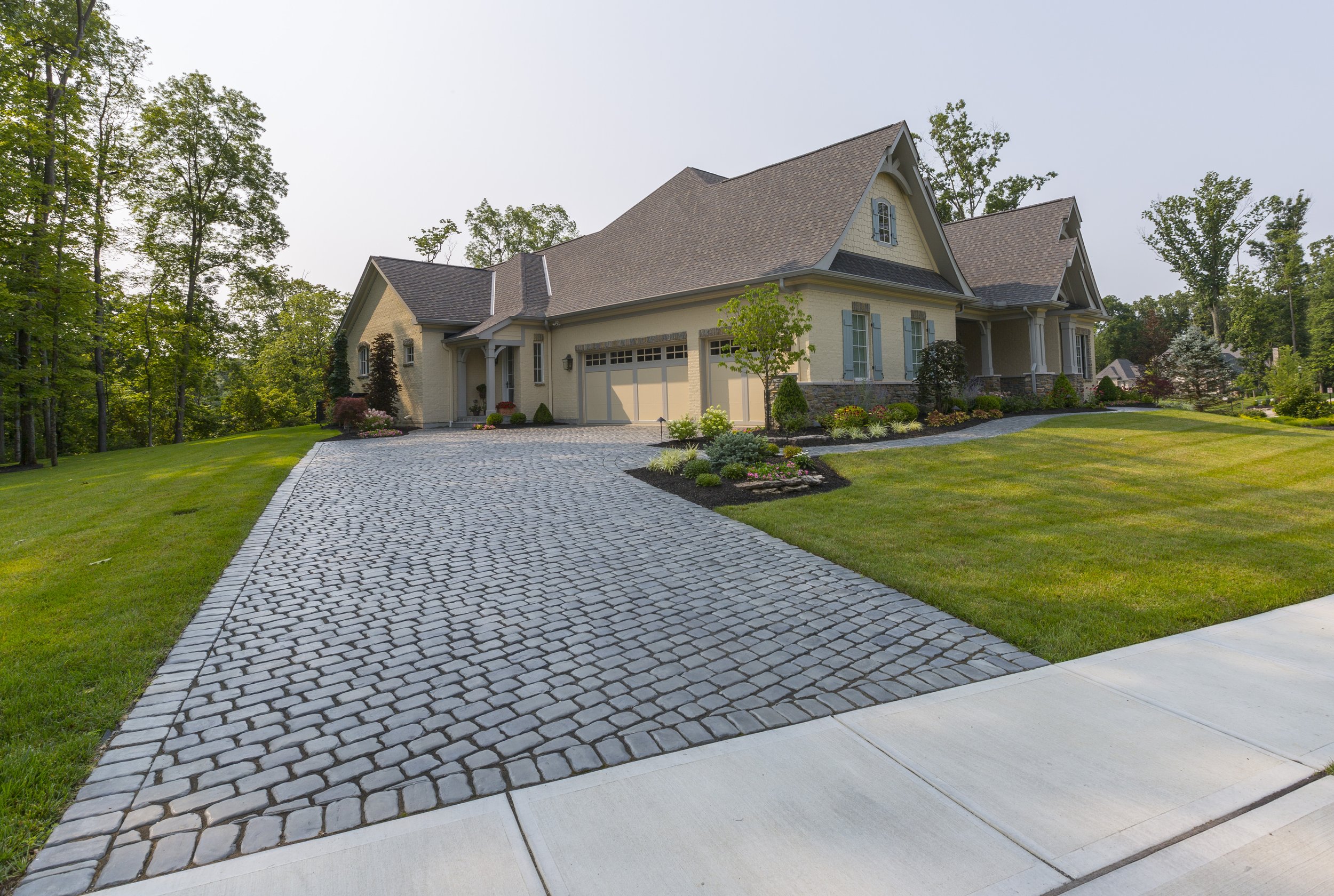
Popular Types of Driveways
There are several driveway materials available, each with unique advantages.
Block Paving Driveways
Block paving is one of the most popular options. It offers a decorative finish with various colours and patterns. It’s durable and easy to repair, as individual blocks can be replaced if needed.
Resin-Bound Driveways
Resin-bound surfaces provide a smooth, modern look. They are low maintenance and allow water to drain through, reducing puddles and surface water issues.
Tarmac Driveways
Tarmac is a cost-effective and durable option. It works well for larger areas and high-traffic driveways, offering a clean and practical finish.
Concrete Driveways
Concrete driveways are strong and long-lasting. They can be plain or enhanced with decorative finishes for added style.
Gravel Driveways
Gravel driveways provide a traditional and natural appearance. They are affordable and offer excellent drainage, though they may require occasional topping up.
What to Consider Before Installing a Driveway
Before starting your project, consider these important factors:
Size and Layout
Measure the available space and ensure there’s enough room for parking and turning.
Drainage
Proper drainage prevents water pooling and protects your driveway from long-term damage.
Usage
Think about how many vehicles will use the driveway and how often.
Budget
Different materials vary in price. Balance upfront costs with long-term durability.
Maintenance
Some surfaces require more upkeep than others. Choose a material that suits your lifestyle.
The Driveway Installation Process
A professional driveway installation typically involves:
- Site survey and planning
- Excavation and removal of old materials
- Sub-base preparation and compaction
- Drainage installation
- Laying the chosen surface
- Edging and finishing touches
Proper groundwork is the key to a long-lasting driveway.
How Much Does a Driveway Cost?
The cost of a driveway depends on:
- Size of the area
- Material selected
- Ground condition
- Drainage requirements
- Design complexity
Getting multiple quotes from experienced installers helps ensure you receive competitive pricing.
Maintaining Your Driveway
To keep your driveway looking its best:
- Sweep regularly to remove debris
- Clean oil and stains quickly
- Reseal surfaces when necessary
- Repair small cracks early
Routine maintenance extends the lifespan of your driveway and preserves its appearance.
Final Thoughts
A high-quality driveway is a valuable investment that improves both the look and functionality of your home. With the right material, proper installation, and ongoing maintenance, your driveway can remain durable and attractive for many years.